
Loneliness vs. Solitude
- Yash raj Gupta
- May 9
- 4 min read

In today's hyper-connected world, the terms loneliness and solitude are often confused. Both involve being alone, but they evoke very different emotions. Loneliness is often a painful feeling of disconnection from others, while solitude can be a peaceful time for self-reflection. This blog will clarify these two states and emphasize the positive effects of solitude on our emotional health. Conversely, it will address how loneliness can harm our mental well-being if not managed properly.
We will also explore practical ways to embrace solitude positively, such as journaling, mindful walks, and creative hobbies. Additionally, we will stress the importance of knowing when to seek companionship.
Understanding Loneliness
Loneliness is more than just being physically alone; it is an emotional experience that can lead to profound sadness, isolation, and even despair. This feeling can arise when we perceive ourselves as disconnected from others, even when surrounded by people. Factors behind loneliness can include life changes, such as moving to a new city, losing a loved one, or the overwhelming pace of modern life.
Research shows that loneliness can have serious effects on mental health. The CDC reported that it can increase the risk of depression and anxiety by up to 50%. Loneliness can also lead to physical health problems; a study by the National Institute on Aging found that isolated individuals are 26% more likely to die prematurely. This creates a harmful cycle, where loneliness leads to withdrawal from social interactions, further deepening isolation.
Embracing Solitude
In contrast, solitude is a voluntary choice to spend time alone for personal growth and reflection. This can be a nurturing experience, allowing individuals to reconnect with themselves and explore their thoughts. According to psychologist Dr. Susan M. Pinker, solitude can boost mental resilience and emotional strength.
Many individuals find that solitude enhances their well-being. It provides the mental space needed for self-care practices like meditation, reading, or enjoying nature. Researchers found that spending just 20 minutes in nature can significantly improve mood and reduce stress levels. Embracing solitude leads to a deeper understanding of oneself, ultimately fostering a more fulfilling life.
The Benefits of Solitude
Self-Reflection: Solitude can help individuals gain clarity about their thoughts and feelings. This introspection is linked to personal growth and emotional improvement. A study by the Journal of Personality found that individuals who engage in self-reflection report higher levels of life satisfaction.
Creativity: Many writers, artists, and thinkers credit solitude as a source of inspiration. For example, famous author Virginia Woolf wrote her best works in isolation. Studies show that working alone can enhance creativity by allowing thoughts to flow freely.
Stress Reduction: Spending time alone can lower stress levels. The American Psychological Association states that alone time can lead to lower cortisol levels, the hormone associated with stress.
Mindfulness: Activities like walking in nature or yoga during solitary moments can enhance one’s sense of peace. Mindfulness practices have been shown to increase overall well-being and reduce anxiety symptoms.
Practical Ways to Embrace Solitude
To cultivate a positive relationship with solitude, consider incorporating the following practices into your daily routine.
Journaling
Journaling is an effective way to reflect on emotions and experiences. Dedicate time each day to write, whether about your feelings, thoughts, or even dreams. This daily practice can provide clarity and insight, helping you connect more deeply with yourself.
Mindful Walks
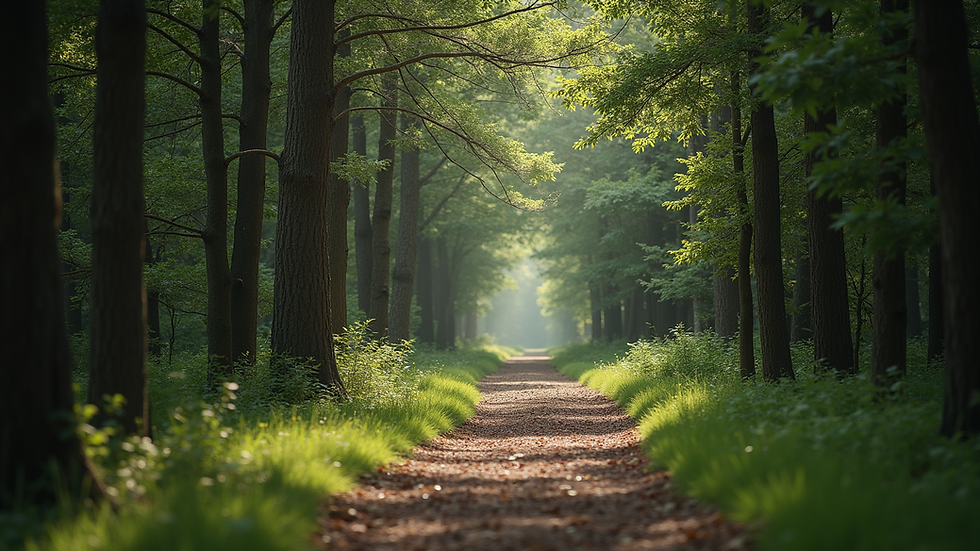
Taking a walk in nature is a great way to embrace solitude. Leave your phone behind and fully engage with your surroundings. Focus on the sounds, sights, and sensations around you. Mindful walking has been shown to improve mood and reduce anxiety, making it a simple yet effective practice.
Creative Hobbies
Exploring creative hobbies like painting, knitting, or playing a musical instrument can provide a fulfilling and enjoyable way to spend time alone. These activities promote self-expression, focus, and flow, all of which contribute to emotional health. Consider trying out different hobbies to find those that resonate with you.
Knowing When to Reach Out
While solitude can nurture our minds, recognizing when loneliness creeps in is crucial. If feelings of isolation persist, it might be time to reach out to friends, family, or support groups. Research indicates that social connections can reduce the risk of both mental and physical health issues.
Finding balance between solitude and social interactions is vital for emotional well-being. Understanding your needs and proactively seeking support can help maintain a healthy mental state.

Reflecting on Our Journey
Understanding the difference between loneliness and solitude is essential for our mental health. Loneliness can have harmful effects, while solitude provides an opportunity for self-reflection, creativity, and personal growth. By incorporating practices like journaling, mindful walks, and creative hobbies into your life, you can nourish your mind and spirit.
However, it’s equally important to recognize when loneliness sets in and to reach out for companionship when needed. Striking a balance between solitude and social connection can lead to a more fulfilling emotional life. Remember, being alone doesn't have to mean being lonely; it can be a beautiful chance for self-discovery and growth.


Comments